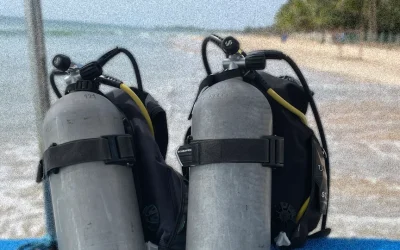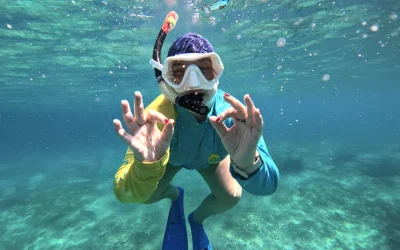

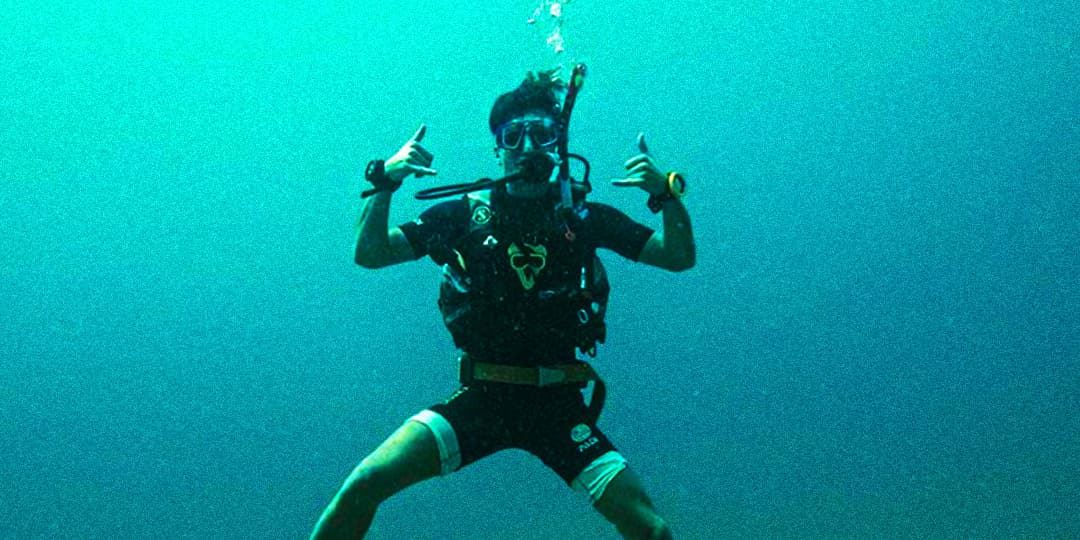

The ocean holds mysteries and beauty that few experiences can match, and scuba diving offers us a window into this mesmerizing underwater world. Whether you’re planning your first dive at one of the renowned diving in Unawatuna locations or you’re a seasoned diver with hundreds of dives in your logbook, safety should always be your top priority. The difference between an unforgettable adventure and a dangerous situation often comes down to following fundamental safety practices and respecting the power of the underwater environment. I have seen too many divers, both new and experienced, become complacent about safety protocols. The truth is, while diving is generally safe when done correctly, the underwater environment is unforgiving of mistakes. Every year, preventable accidents occur because someone skipped a safety check, ignored their training, or let excitement override good judgement. Let’s talk about the essential safety rules that should guide every single dive you make.
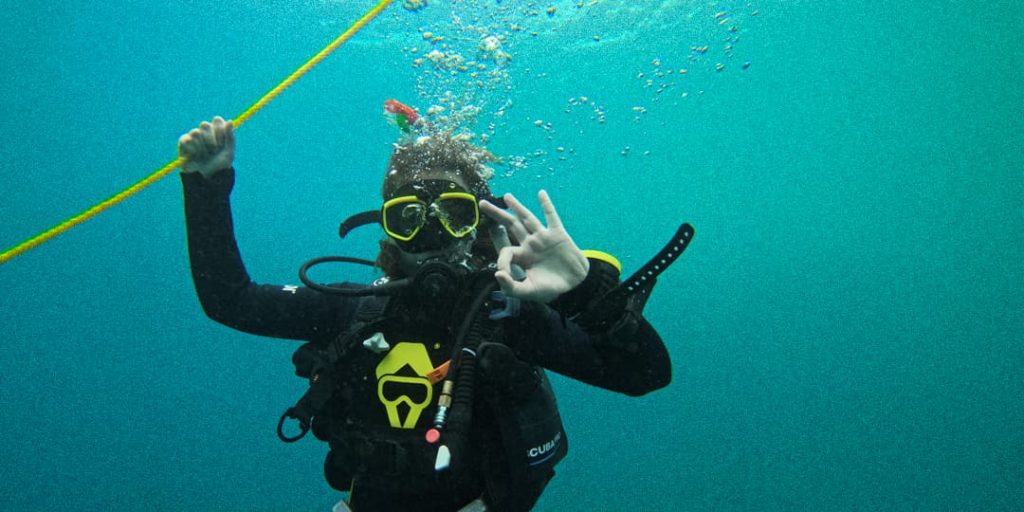
Never Dive Beyond Your Training & Experience
This might seem obvious, but it’s worth emphasizing because it is one of the most commonly violated rules. Your certification level exists for a reason. If you’re Open Water certified, you shouldn’t be diving to 40 metres just because someone invites you along. If you haven’t done a wreck dive before, your first shouldn’t be a deep penetration dive into a sunken ship. When you visit PADI diving centres in Unawatuna or anywhere else in the world, reputable operators like Divinguru, will check your certification and logbook. They’re not being difficult – they’re keeping you alive. Each certification level builds on the previous one, teaching you to handle more complex situations, deeper depths, and different environments. Rushing through this progression and lying about your experience puts you and your dive buddy at serious risk. Similarly, if you haven’t been diving in six months, don’t dive straight back into challenging dives. Your muscle memory fades, your comfort level decreases, and skills that once felt natural might feel awkward. Book a refresher course, or start with easy, shallow dives to rebuild your confidence and competence.
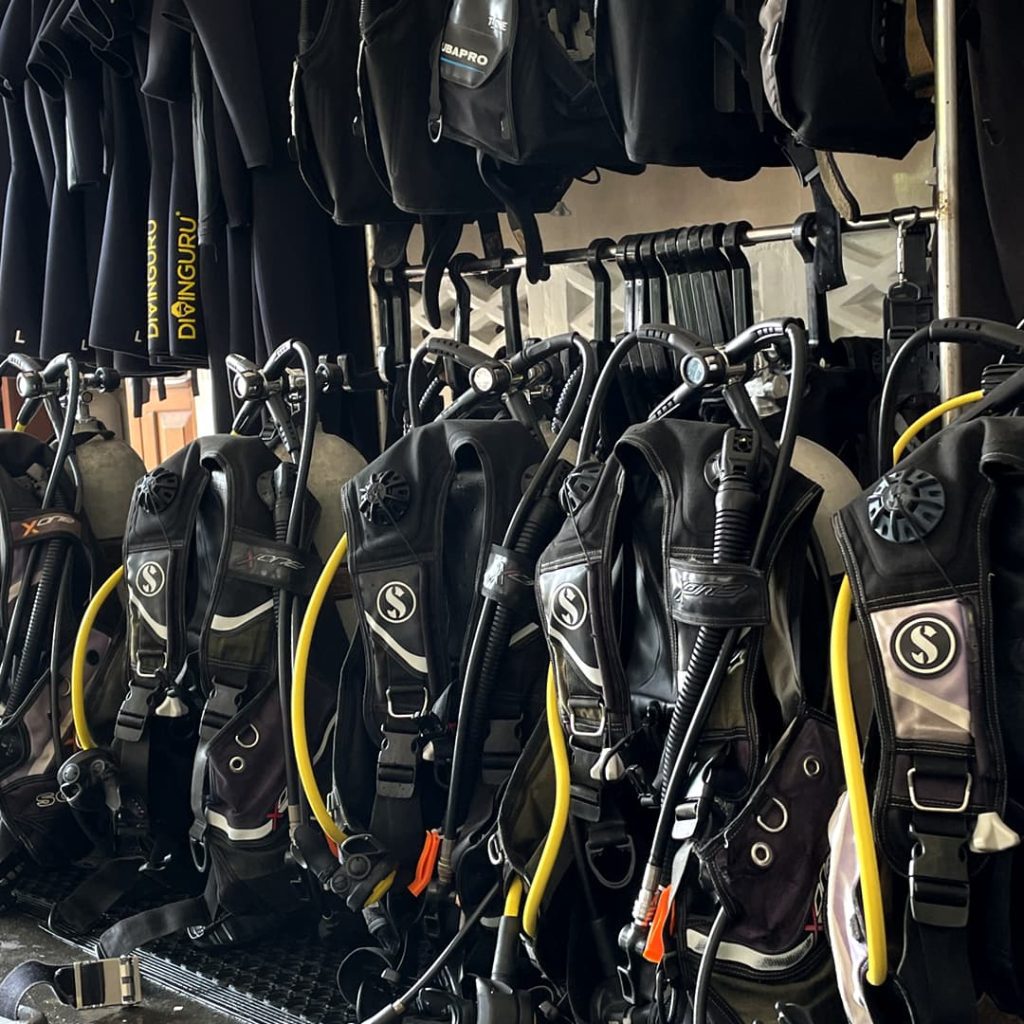
The Buddy System Is Not Optional
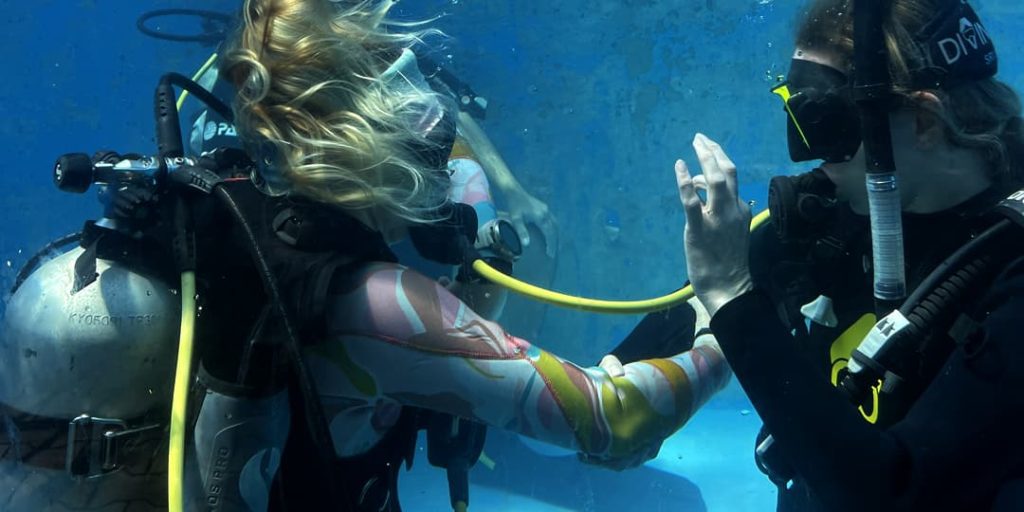
Diving with a buddy is not just a nice idea – it’s a fundamental safety rule that has saved countless lives. Your buddy is your backup air source, your problem solver, your navigator, and sometimes your lifeline. I have personally witnessed situations where a quick thinking buddy prevented what could have been a tragedy.
But having a buddy isn’t enough. You need to actually stay with your buddy. That means maintaining visual contact throughout the dive, checking in regularly, and knowing how to communicate effectively underwater. Before every dive, discuss your dive plan, review hand signals, and establish what you will do if you get separated. Agree on a maximum depth and dive time, and stick to it.
If you do get separated, follow the one-minute rule: search for one minute, then surface safely if you haven’t found each other. Never spend so much time searching that you compromise your own safety or air supply.
Plan Your Dive, Then Dive Your Plan
Every dive should begin long before you enter the water. You need to know the dive site, understand the conditions, check the weather and currents, and establish clear parameters for your dive. What is your maximum depth? What is your planned bottom time? What is your route? Where will you exit? What are the potential hazards? When exploring the best diving in Unawatuna, local dive masters will brief you on the specific conditions and features of each site. Pay attention to these briefings. They know the local currents, the seasonal changes, the marine life behaviour, and the tricky spots that can catch
inexperienced divers off guard. Once you have made your plan, stick to it. If you planned for a 15-metre dive, don’t suddenly decide to drop to 25 metres because you spotted something interesting. If your turnaround time is 20 minutes, head back at 20 minutes even if you’re having the dive of your life. Discipline saves lives underwater.
Monitor Your Air Supply Constantly
Running out of air underwater is terrifying and completely preventable. You should be checking your pressure gauge constantly throughout your dive – not just when your buddy asks or when you remember. A good rule of thumb is to check every few minutes, or roughly every time you check your depth and direction. Most divers follow the rule of thirds: use one-third of your air going out, one-third coming back, and keep one-third in reserve for emergencies. Some conservative divers prefer to turn around when they have used a quarter of their air. Find what works for you, but never cut it close. Start your ascent with plenty of air in your tank. You should be back on the surface with at least 700 psi (50 bar) remaining. Remember that you might need air for an unexpected safety stop, for helping a buddy, or simply because you’re swimming against a current on your return.
Ascend Slowly & Make Your Safety Stop
This is critical. Ascending too quickly is one of the leading causes of decompression sickness, commonly known as “the bends”. The nitrogen your body absorbs under pressure needs time to be released safely as you ascend. Rush this process, and those nitrogen bubbles can form in your blood and tissue, causing anything from joint pain to paralysis or death.
The standard ascent rate is 30 feet (9 metres) per minute, which is slower than your smallest bubbles rise. Many dive computers will beep angrily at you if you exceed this rate. Pay attention to these warnings.
Additionally, always make a safety stop at 15 feet (5 metres) for at least three minutes, even on dives that don’t require decompression stops. This extra time allows your body to off-gas more nitrogen and significantly reduces your risk of decompression sickness. When learning about Unawatuna diving prices, you will find that reputable operators, like Divinguru, build these safety stops into every dive.
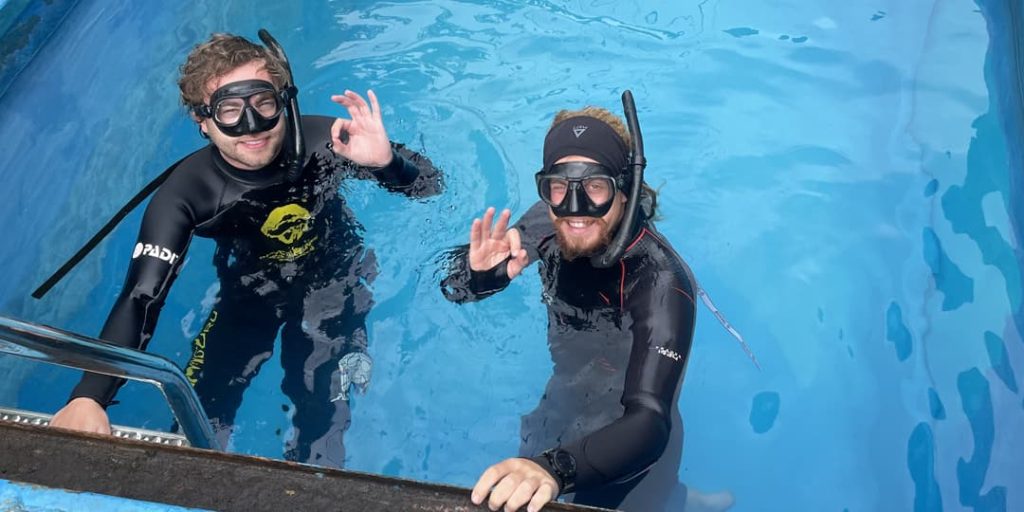
Equalize Early & Often
Ear and sinus injuries are among the most common diving injuries, and they’re completely avoidable. You need to equalize the pressure in your ears and sinuses as you descend, and you need to do it early and often – before you feel any discomfort.
The moment you start descending, begin equalizing. Continue every metre or two as you go deeper. If you can’t equalize, stop descending. Never try to push through the pain – you can rupture your eardrum or cause serious damage. Ascend a little, try again, and if it still doesn’t work, call the dive. It’s disappointing, but it’s not worth permanent hearing damage.
Similarly, never dive with a cold, sinus infection, or congestion. The swollen tissues prevent proper equalization, and you’re almost guaranteed to injure yourself.
Respect Your Dive Computer & Tables
Whether you use dive tables or a dive computer, these tools are calculating the nitrogen loading in your body and telling you how long you can safely stay at depth. Ignoring these limits is asking for decompression sickness.
If you’re using a computer, make sure it’s properly set up with your personal information and gas mixture. Keep it visible throughout your dive, and pay attention to its warnings. If it tells you to make a decompression stop, you make the stop. If it says you’re approaching your no- decompression limit, start your ascent.
For divers exploring south coast diving in Sri Lanka or any multi-dive trips, remember that your body accumulates nitrogen over multiple dives. Your computer tracks this, but you also need to be smart about planning your dive schedule. Don’t max out your bottom time on every dive of the day.
Never Hold Your Breath
This is taught in every entry-level diving course, yet it bears repeating: never, ever hold your breath while scuba diving. As you ascend, the air in your lungs expands. If you’re holding your breath, that expanding air has nowhere to go, and you can suffer a lung over-expansion injury. In extreme cases, this can cause arterial gas embolism, which can be fatal. Always breathe normally and continuously. If you’re ascending, exhale gently. The key word is gently – you don’t need to force the air out; just let it flow naturally. This is particularly important during emergency ascents when panic might make you want to hold your breath.

Know Your Limits & Be Honest About Them
Diving within your limits means understanding your physical condition, your skill level, your comfort zone, and your mental state on any given day. If you’re exhausted from travel, hungover, anxious, or unwell, it’s okay to skip a dive. If the conditions look rougher than you’re comfortable with, it’s okay to sit it out.
When researching PADI diving in Unawatuna or booking dives anywhere in the world, communicate honestly with your dive operator about your experience and any concerns. Good operators, like Divinguru, will match you with appropriate dive sites and dive groups. They would much rather you had a safe, enjoyable dive at your level than push you into something beyond your capabilities.
Maintain Your Equipment
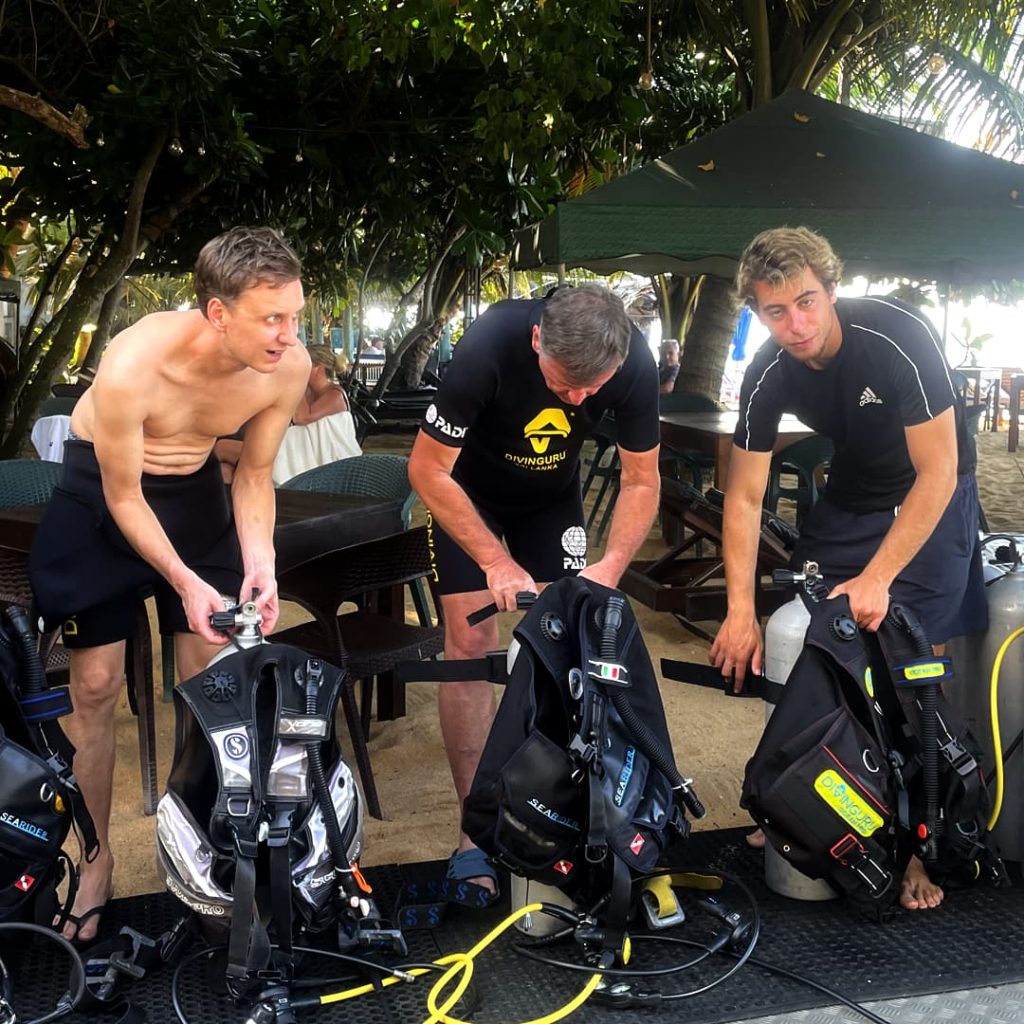
Your life depends on your equipment working properly. Before every dive, do a thorough equipment check. Make sure your BCD inflates and deflates properly, your regulator breathes smoothly, your gauges are working, and all your straps and buckles are secure. Many divers use the acronym BWRAF (Begin With Review And Friend or Breakfast With Rice And Fish) to remember the key checks: BCD, Weights, Releases, Air, Final Check. If you own your equipment, keep up with regular servicing. Regulators should be serviced annually, even if they seem to be working fine. O-rings dry out and crack. Hoses develop weak
spots. Salt corrodes connections. Regular maintenance catches these problems before they become emergencies underwater.
Concluding Thoughts
Scuba diving opens up a world that most people never get to experience. The weightless sensation, the incredible marine life, the sense of exploration – it’s genuinely magical. However, that magic comes with responsibility. Every rule we have discussed exists because someone, somewhere, learned a hard lesson. You don’t need to learn those lessons yourself.
Whether you’re just starting your diving journey or you have been diving for decades, approaching every dive with respect, preparation, and adherence to safety protocols will ensure you keep diving for years to come. The ocean isn’t going anywhere, and the best dive is where everyone surfaces safely with a smile on their face and stories to share. Dive safe, dive smart, and
the underwater world will reward you with experiences you will treasure forever. Divinguru – Meet the Professionals, Dive with us!