ADVANCED Freediver course
Duration: 2-3 days
Depth: min 20, max 24 meters
Age: min age 15 years old
Groups: maximum 2 people
Medical Check: confident swimming skills, medically fit for diving
*Please check the PADI Medical statement (link) carefully before diving with us. Must be filled before the course starts.
PADI Advanced Freediver
For certified divers (Freediver or equivalent)
Take your freediving to the next level.
The PADI Advanced Freediver course is designed for certified freedivers who want to dive deeper, refine technique, and gain greater control and confidence in open water.
This course focuses on performance, efficiency, and safety — helping you become a more relaxed, capable, and self-aware freediver.
From
315 €
What to expect
The Advanced Freediver course is ideal if you:
- Are a certified PADI Freediver (or equivalent).
- Want to increase depth and breath-hold performance safely.
- Improve technique, finning, and body position.
- Develop stronger self-awareness and control underwater.
- Are ready for structured, performance-based training.
This course is not about pushing limits — it’s about progressing correctly.
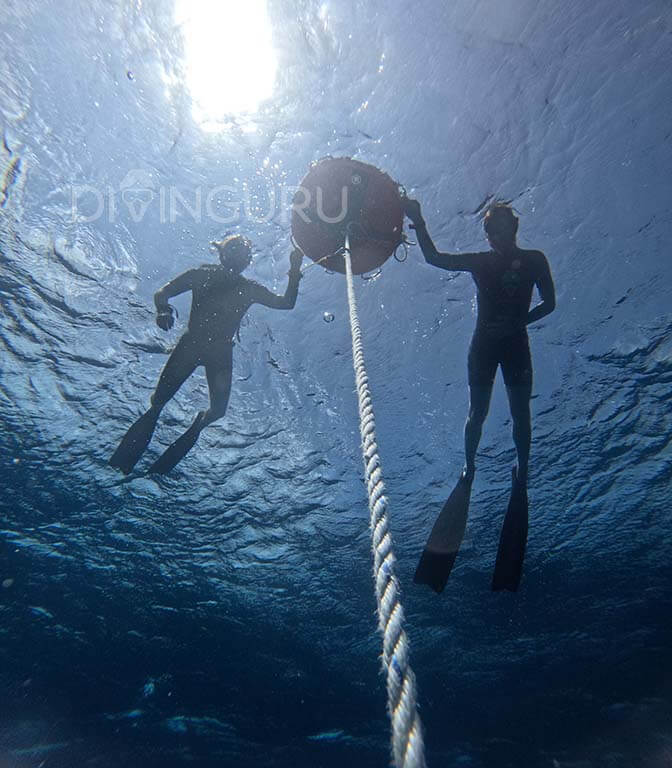
What you learn
During the course, you will focus on:
- Advanced freediving theory and physiology.
- Efficient finning and streamlined body positioning.
- Improved breathing and relaxation techniques.
- Advanced equalization methods (Frenzel).
- Open-water safety, rescue, and buddy procedures.
- Managing depth, pressure, and mental focus.
Training emphasizes consistency, technique, and controlled progression.
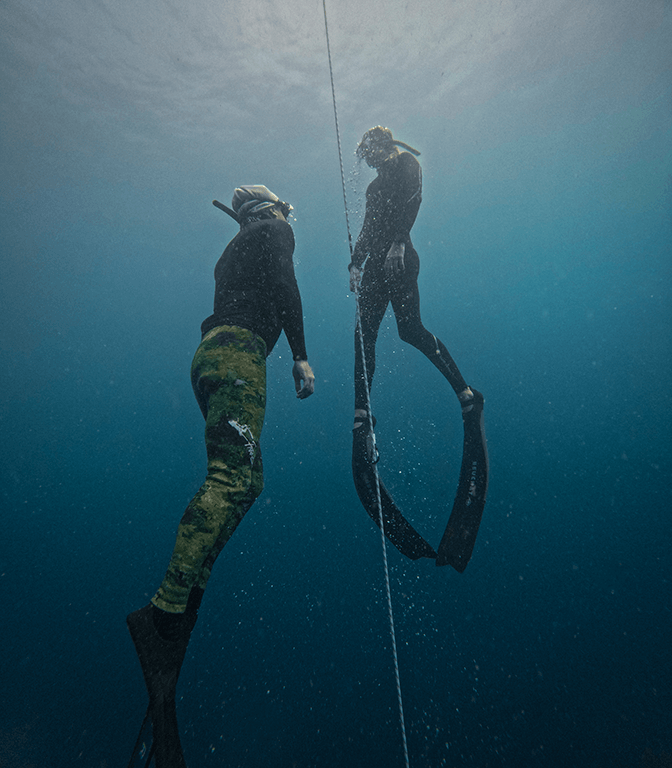
Schedule
The PADI Advanced Freediver course includes:
-
Knowledge development (theory session or eLearning)
-
Confined water training to refine technique and breath-hold
-
Multiple open-water sessions focusing on depth and safety
-
Supervised progression following PADI depth standards
The course is typically completed over 2–3 days, depending on conditions and student progress.
???
Difference between
south and east coast.
Sri Lanka offers great diversity of dive sites. Differences between diving on the south coast and east coast are significant. You can find wrecks at 6 metres or even at 32 metres depth, magnificent coral reefs, swim-throughs and other specific dive sites. To meet your expectations, please check what you can expect while diving on the south coast compared to the east coast HERE.
When is Sri Lanka diving season?
Diving in Sri Lanka is affected by two monsoons, south west and north east monsoons. The best time to dive in Unawatuna (south coast) is from mid October until April and in Nilaveli, Trincomalee (east coast) from mid March until end of October. It's simple, half year we are operating in Unawatuna and second half we are open in Nilaveli and Trincomalee.
You May Also Like
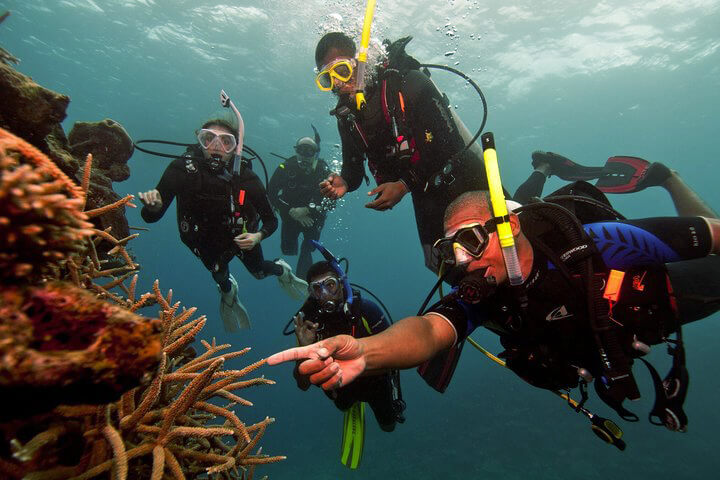
Try diving
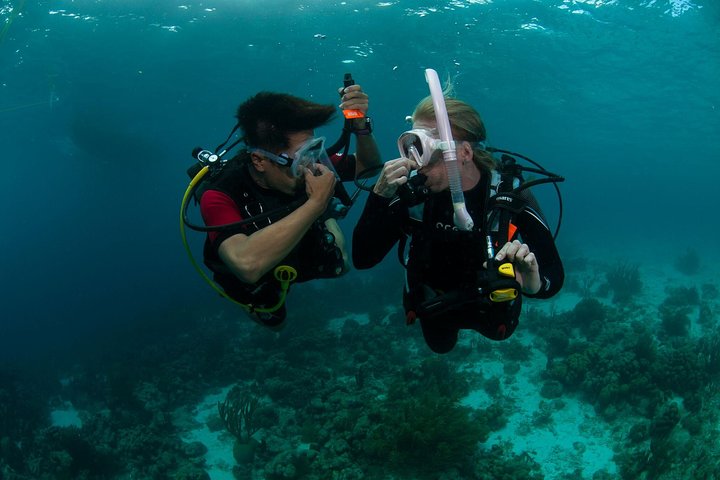
Scuba diver
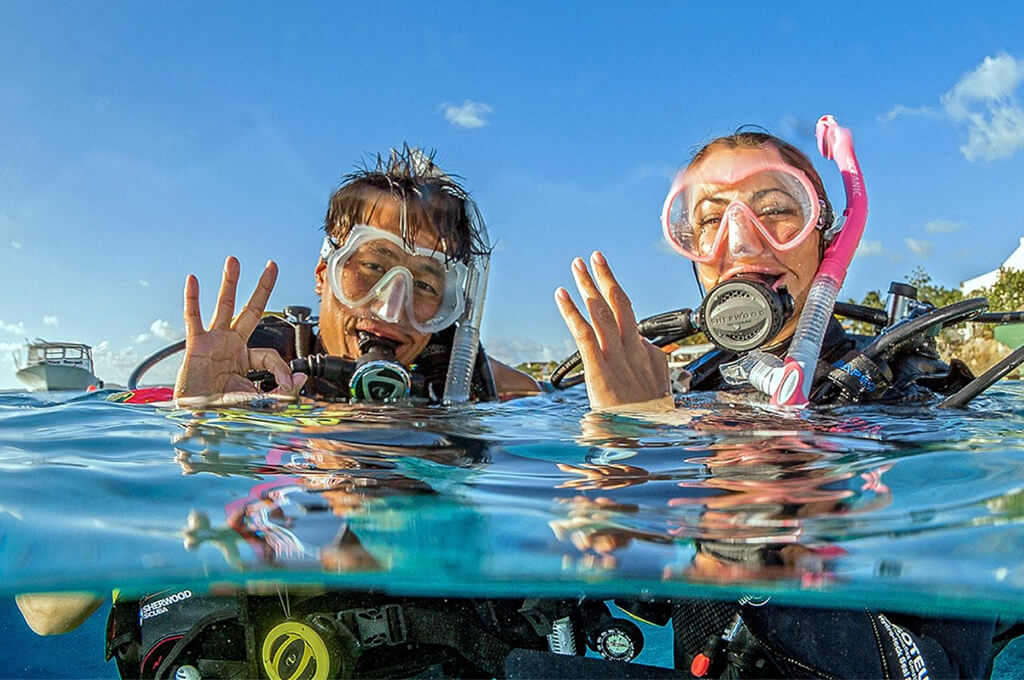
Open Water Diver
Frequently asked questions
Why to choose Divinguru for my first experience?
Because our main priority is Safety followed by Customer Service. We have small groups maximum of 4 beginner divers accompanied by our PADI Divemasters or Instructors.
Our multilingual international team makes sure you have the best underwater experience in Sri Lanka. The most important while Try Diving experience is that you have fun!
How long is the duration of the entire experience?
While not a scuba certification course, Discover Scuba Diving is a quick and easy introduction to what it takes to explore the underwater world.
The duration of the try scuba diving experience is around 3 hours. The main goal is to introduce you the fascinating blue world and experience with you the first breath underwater. You’ll learn the basics about scuba diving, diving gear and the marine environment. After successfully completion you can receive credit toward your first certification the PADI Open Water Diver course.
What marine life we see while scuba diving?
Every dive is unpredictable and unique, that’s why diving is so exciting. As we go off the shore we are in the real nature and no in a zoo. We cannot promise or guarantee to see particular wild animals. However we guarantee that our team makes maximum to find them and fulfill your expectations.
Marine life you may see include: Stingrays, Eagle Rays, Turtles, Moray Eels, Nudibranchs, Cuttlefish, Octopus, Barracuda, Trevally, Angelfish, Triggerfish, Soldier Fish, Surgeon Fish, Pufferfish, Fusiliers, Lion Fish, Sea Stars and many other coral reef fish. Whale Sharks can be spotted on both east and south coast. Black Tip Reef Sharks you find on the famous Pigeon Island, located a few minutes from our Divinguru® Nilaveli Resort. Whales and Dolphins can be spotted around Trincomalee while Whale Watching. If you get really lucky, time to time you might see them in Unawatuna too.