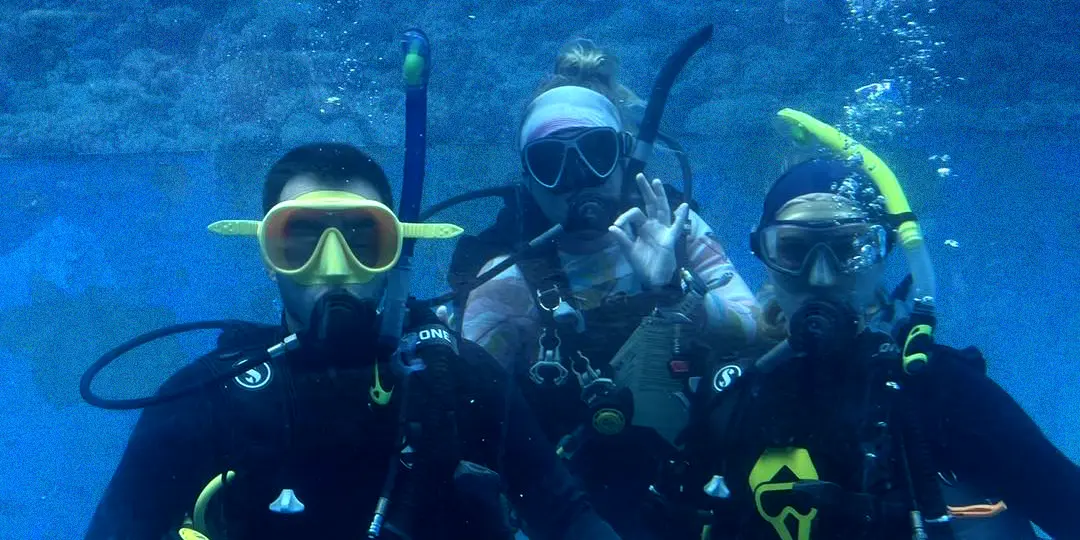

For anyone who has ever stood at the edge of the water, mask in hand, heart beating just a little faster than usual, the prospect of a first scuba dive is one of the most thrilling things you can do. It sits at the intersection of excitement and nerves, wonder and the unknown. And if you happen to be doing it somewhere like Unawatuna in Sri Lanka’s southern coast – well, you have already made one good decision. Unawatuna diving has earned a reputation as one of the most welcoming entry points into the underwater world for beginners. The bay is sheltered, the water is warm, visibility is generally excellent, and the marine life is varied enough to make every descent feel like flipping through the pages of a nature documentary. But no matter where in the world you take your first plunge, the experience is shaped far more by preparation and mindset than it is by luck. Here’s what actually makes the difference.
Start With Your Breathing – Before You Even Enter the Water
For anyone who has ever stood at the edge of the water, mask in hand, heart beating just a little faster than usual, the prospect of a first scuba dive is one of the most thrilling things you can do. It sits at the intersection of excitement and nerves, wonder and the unknown. And if you happen to be doing it somewhere like Unawatuna in Sri Lanka’s southern coast – well, you have already made one good decision.
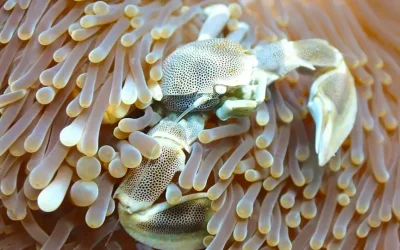
Unawatuna diving has earned a reputation as one of the most welcoming entry points into the underwater world for beginners. The bay is sheltered, the water is warm, visibility is generally excellent, and the marine life is varied enough to make every descent feel like flipping through the pages of a nature documentary. But no matter where in the world you take your first plunge, the experience is shaped far more by preparation and mindset than it is by luck. Here’s what actually makes the difference.
Choose the Right Instructor & Centre
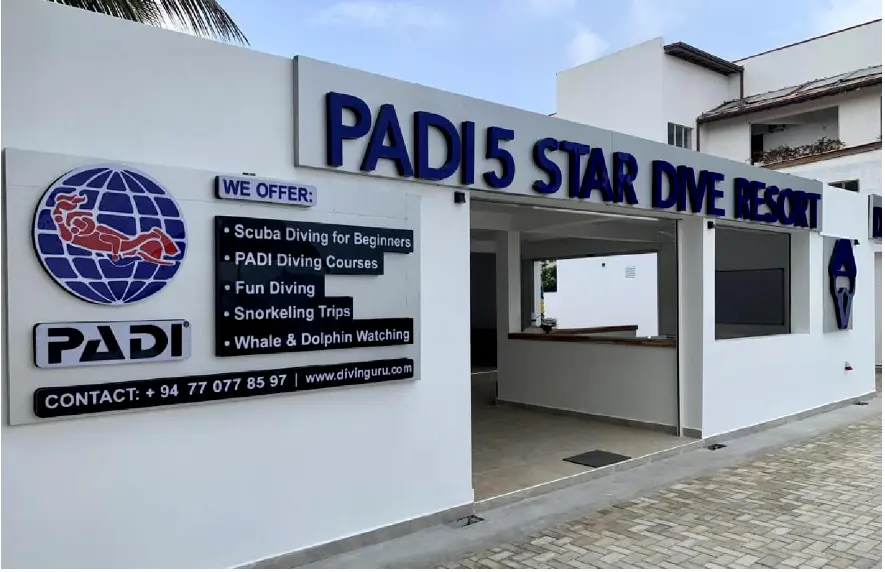
Not all dive experiences are created equal, and the quality of your first dive rests heavily on who is guiding it. A good instructor will take the time to read you – to notice when you’re anxious, when you’re confused, and when you’re ready to go deeper, literally and figuratively. They will never rush you, and they will make the pre-dive briefing feel reassuring
rather than overwhelming.
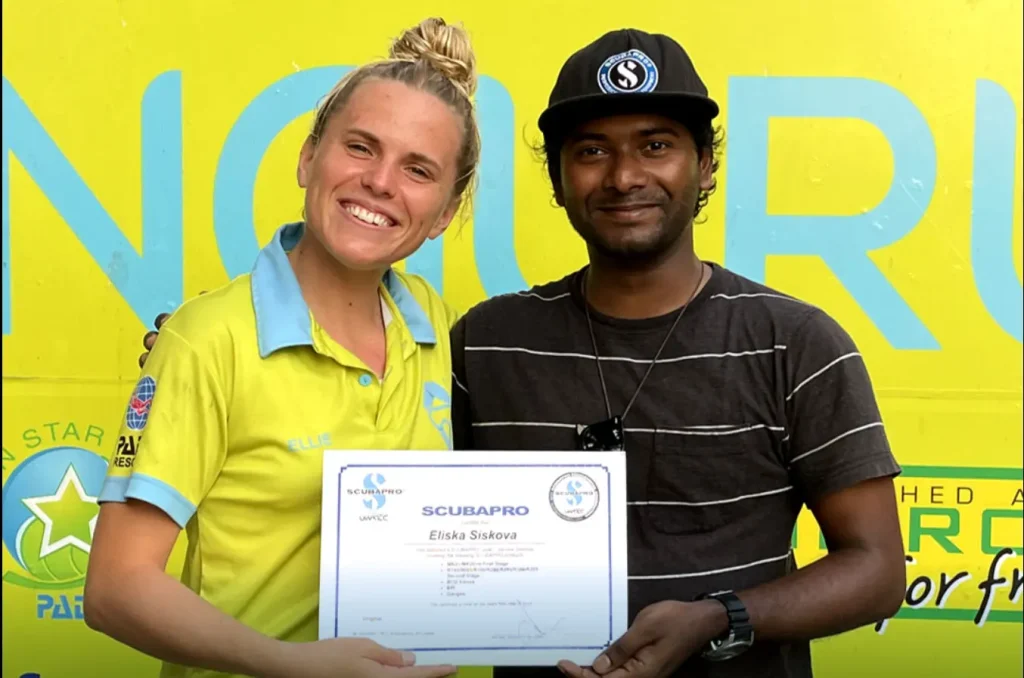
When it comes to PADI diving in Unawatuna, the certification system matters. PADI – the Professional Association of Diving Instructors – is the world’s most recognised scuba training body, and their courses follow a structured, internationally standardised curriculum. Whether you’re doing a one-day Discover Scuba Diving experience or committed to a full Open Water certification, PADI courses are designed with absolute beginners in mind.
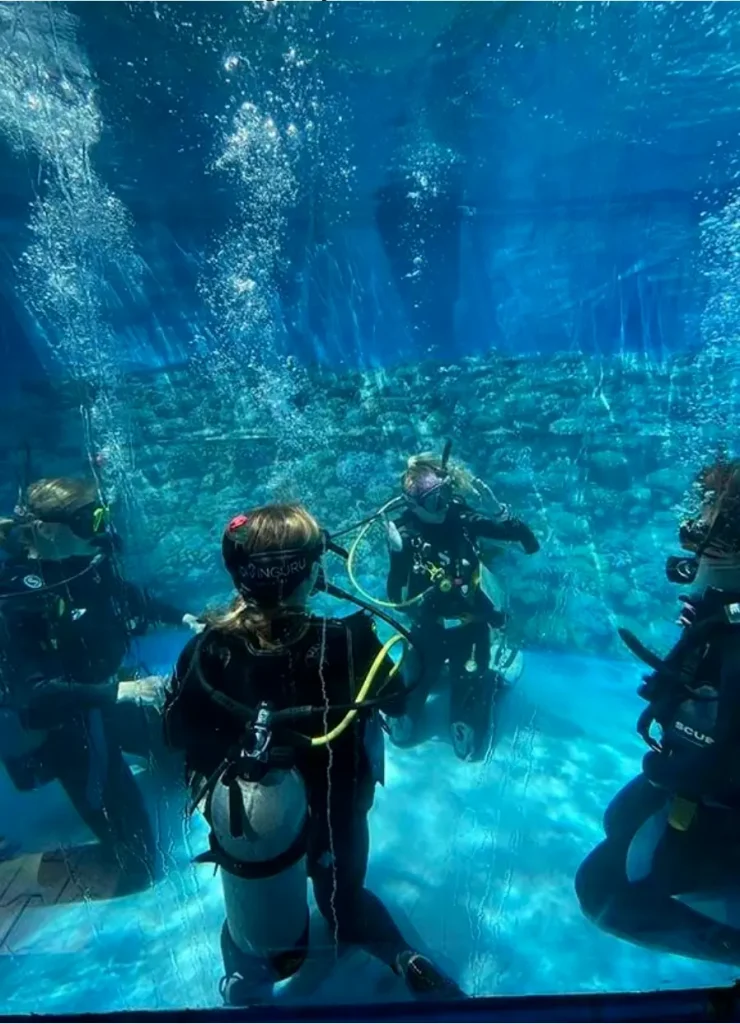
There are several PADI diving centres in Unawatuna, including Divinguru, operating from the beachfront, and it’s worth spending ten minutes talking to the instructors before you book. Ask about group sizes (smaller is better for first timers), the depth you will reach, and what the briefing process looks like. A centre that welcomes your questions before you have even paid is one that will take good care of you underwater.
Don’t Let Equipment Feel Foreign
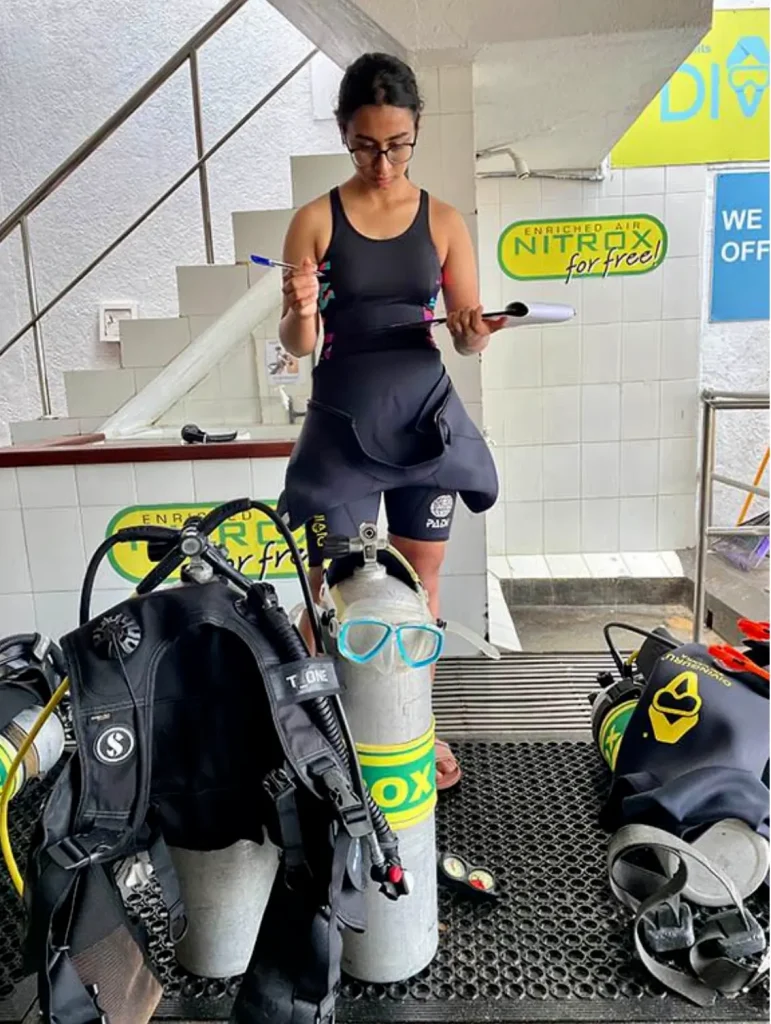
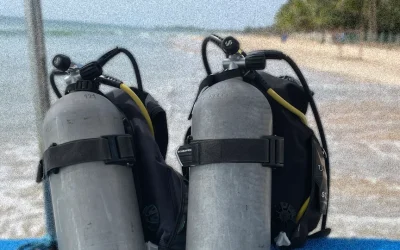
One of the underrated sources of anxiety for new divers is the sheer amount of equipment involved. Mask, fins, BCD (buoyancy control device), regulator, wetsuit, tank – it can feel like suiting up for a space mission. The fix is simple: spend
time with the gear before you need to use it.
During your briefing, ask your instructor to let you handle each piece of equipment and explain what it does. Put the mask on. Breathe through the regulator while you’re still standing on the beach or sitting at the pool’s edge. Practice clearing your mask (removing a small amount of water that gets in) and your regulator (if it comes out of your mouth, here’s how to get it back in). These are basic skills that will make an enormous difference to your confidence underwater.
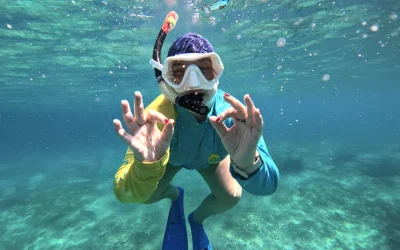
Fins deserve a special mention. Many beginners shuffle awkwardly in fins and end up kicking up sand or, worse, damaging coral. Take short, slow, flutter kicks from the hips – not the knees – and keep your arms relatively still. You will move more efficiently and feel more in control.
Equalise Early & Often
Ear equalisation is one of the first practical skills your instructor will teach you, and it is one that trips up more first- timers than almost anything else. As you descend, the pressure on your eardrums increases, and without equalising – gently pinching your nose and blowing softly, or swallowing – you will feel discomfort or even pain that stops your descent altogether.
The key is to equalise before you feel the pressure, not after. Start at the surface, equalise every half metre or so on your way down, and if you feel any pain, stop your descent immediately, rise slightly, and try again. Never push through ear pain. It signals that something is wrong, and continuing down can cause a perforated eardrum. Most people get the hang of it within the first couple of dives. If you have ever flown in a plane and felt your ears pop during descent, you already know the basic sensation – it’s the same mechanism, just a little more deliberate.
Buoyancy is a Skill, Not a Gift
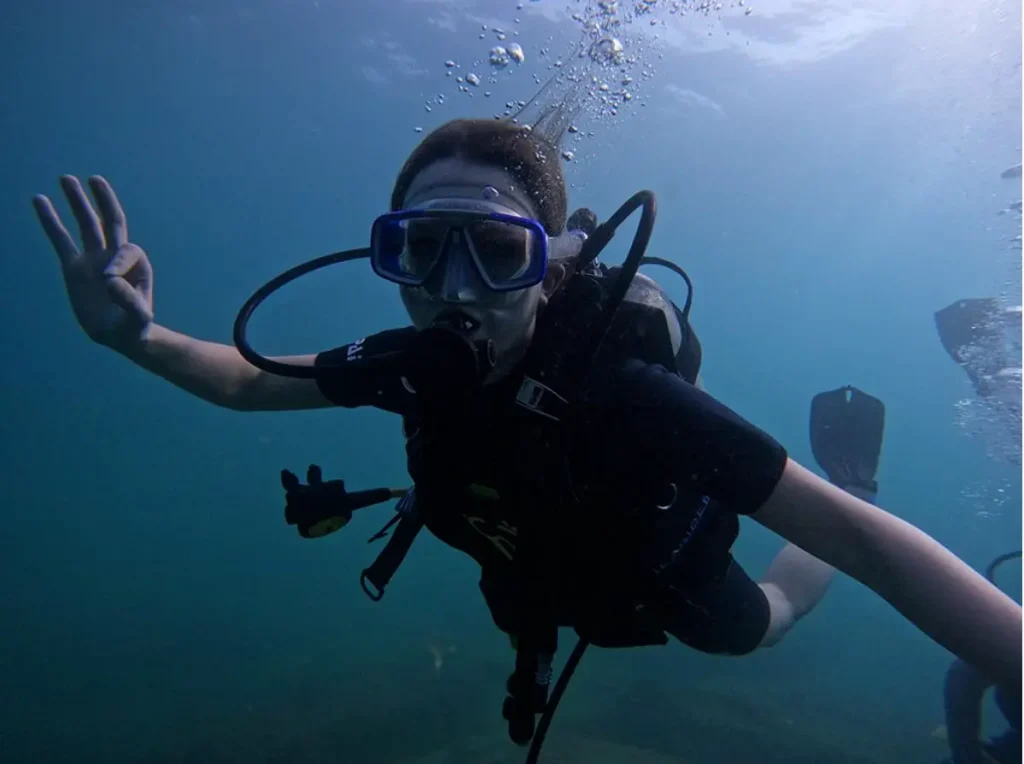
Perfect buoyancy – the ability to hover effortlessly at any depth without sinking or floating – is what separates a comfortable diver from a stressed one. As a beginner, you won’t have it. And that is completely fine. What you will have is a BCD (the inflatable vest you wear) that your instructor will help you adjust, and a wetsuit that provides some buoyancy of its own.
The thing that divers often don’t realise is that your lungs are actually your finest buoyancy tool. A slow, deep inhale will lift you slightly; a full exhale will ease you down. Once you start noticing this, diving will begin to feel less like swimming and more like flying – which is, frankly, one of the great joys of the whale enterprise. Don’t be discouraged if you’re a little bouncy on your first dive. Buoyancy control takes practice and usually clicks properly around the second or third dive.
Pick the Right Location for Your Level
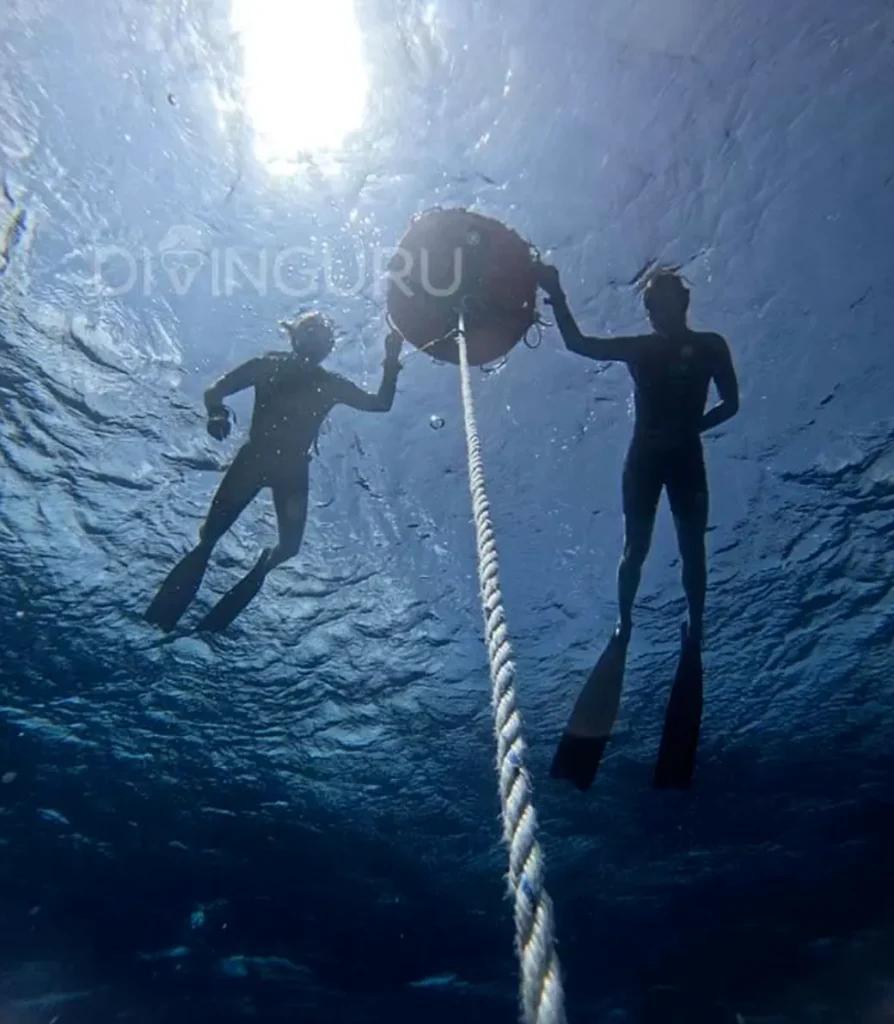
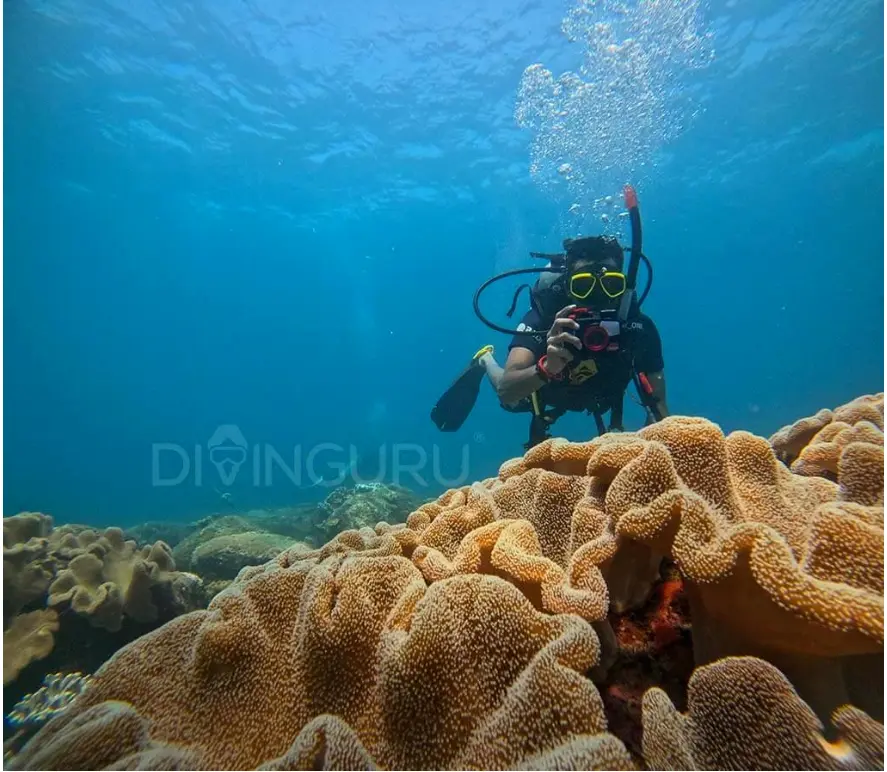
Location matters enormously for a first dive. Strong currents, deep water, and poor visibility are all things that experienced divers can manage – beginners cannot, and shouldn’t have to. The best diving in Unawatuna for beginners tends to be around the bay itself and some of the nearshore sites, where conditions are predictably calm and depths are manageable. South coast diving in Sri Lanka more broadly offers a range of sites from gentle reef dives to more dramatic wreck and wall experiences, but those are for once you have got a few dives under your belt. If you’re visiting the area and weighing up your options, diving in Unawatuna has a very real practical advantage over some more remote Sri Lankan dive sites: you’re staying on the beach, the centres are steps away, and the conditions suit beginners most of the year. It removes a lot of the logistical friction that can otherwise pile onto the nerves of a first- timer.
Understand What You’re Paying For
It is worth mentioning Unawatuna diving prices because they come up often, and there is a temptation to shop purely on cost. Dive prices on the south coast of Sri Lanka are generally very reasonable by international standards, but the cheapest option isn’t always the wisest one for a first experience.
What you’re paying for is an instructor’s time, the maintenance of equipment, the quality of the briefing, and the ratio of divers to guides. A centre offering rock-bottom prices may be cutting corners on one or more of these. A reasonable mid- range price at a reputable PADI-certified operation will almost always give you a better first experience – and more importantly, a safer one.
Give Yourself Permission to be a Beginner
Perhaps the most important tip of all is this: go in without ego. You will not be graceful on your first dive. You will probably use more air than your instructor. You might need to ascend early. You might feel a moment of real anxiety and need to breathe through it at the surface before trying again. All of this is normal, and none of it means you’re not cut out for diving.
The underwater world does not reward bravado – it rewards patience, curiosity, and the willingness to learn slowly. The divers you will meet who are most at home beneath the surface are almost universally the ones who came to it with humility, took their time, and let the ocean teach them at its own pace.