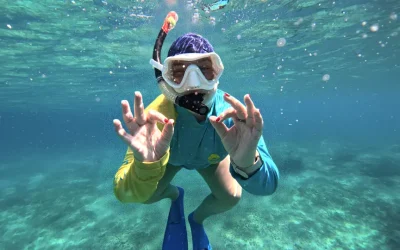


There is a specific moment every new diver remembers: standing waist-deep in warm water, mask fogging slightly, regulator in mouth for the first time, being told to simply breathe normally. It sounds absurdly simple until it is actually happening, and the brain spends a few strange seconds insisting that breathing underwater cannot possibly be safe, no matter what the instructor standing beside you keeps calmly repeating. Getting past that moment, and the handful of skills sessions that follow it, is the entire point of a PADI Open Water course, and Sri Lanka’s east coast has quietly become one of the more forgiving, well-supported places in the world to go through it for the first time. Deciding to actually get certified is usually the easy part. Figuring out where to do it properly is where a bit of research pays off.
Why the Decision to Certify Deserves Some Thought
Not all certification experiences are created equal, even though they lead to the same globally recognised card at the end. The quality of instruction, the conditions a student trains in, and the pace at which a course is taught all shape whether a new diver comes away genuinely confident or merely technically qualified. A rushed course in difficult conditions can leave someone with a certification they are reluctant to actually use, while a well-paced course in calm, forgiving water tends to produce divers who go on to dive regularly for years afterward. This is why choosing where to certify matters just as much as choosing to certify in the first place. The location shapes the entire experience, from how comfortable the open water dives feel to how much genuine attention an instructor can give each student.
Nilaveli’s Case for First-Time Certification
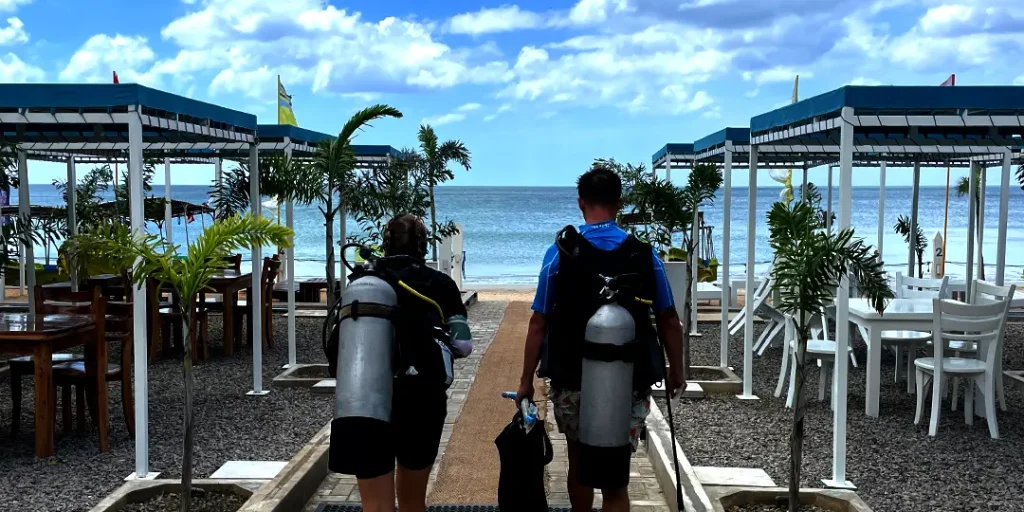
For students taking their first steps underwater, calm, shallow, predictable conditions make an enormous difference to how the course actually feels. PADI diving in Nilaveli benefits enormously from exactly this kind of environment. Sheltered reef systems close to shore mean confined water skills and early open water dives happen without the added complication of current or poor visibility, letting new divers focus entirely on the skills themselves rather than fighting the conditions around them.
This matters more than it might sound. A nervous first-time diver who is also contending with surge or murky water is far more likely to associate diving with stress than enjoyment, which can quietly discourage them from continuing after the course ends. Nilaveli’s conditions remove that extra layer of difficulty, letting the certification process do what it is actually meant to do: build genuine comfort and competence underwater.

What Actually Happens During the Course
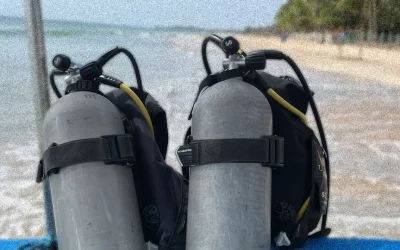
A PADI Open Water course generally unfolds across three connected stages, and knowing what to expect ahead of time ends to ease a lot of first-day nerves. Knowledge development, whether through e-learning completed before arrival or in-person sessions at the start of the course, covers the theory behind diving physics, safety, and equipment. Confined water sessions, usually in a pool or a very sheltered, shallow area, let students practise core skills like mask clearing,
buoyancy control, and regulator recovery in a low-stress setting. Open water dives, typically four in total, then put those same skills into practice on an actual reef, under the direct supervision of an instructor. Reputable PADI diving centres in Nilaveli generally structure this progression carefully, rather than rushing students through to keep pace with a group booking. Asking directly about class size and how the centre paces its courses is a reasonable question to raise before booking, since a smaller, well-paced group tends to produce a noticeably better learning experience than a larger one moving through the material on a fixed schedule regardless of how comfortable each student actually feels.

When Trincomalee Becomes the Better Choice
Not every diver arrives in the region purely to get certified for the first time. Some already hold a certification and are looking to build experience on more advanced sites, and for this group, Trincomalee often makes more sense as a base. PADI diving centres in Trincomalee tend to offer access to deeper reef sites and wreck dives connected to the area’s naval history, giving already-certified divers something genuinely new to work toward rather than repeating the same beginner-friendly sites.
For divers planning a longer stay, it is common to combine both locations: completing certification in Nilaveli’s calmer waters, then travelling the short distance to Trincomalee to put that new certification to use on more varied and challenging sites. PADI diving in trincomalee rewards divers who arrive with a bit of confidence already built, rather than serving as the ideal starting point for a first certification.
Questions Worth Asking Any Dive Centre Before Booking
A short conversation before committing to a course can reveal far more than a website ever will. It is worth asking how many students are typically in a single course, since smaller ratios generally mean more individual attention during the skills that matter most. It is worth asking how weather-dependent scheduling is handled, since tropical conditions can shift quickly and a responsible centre adjusts rather than pushing ahead regardless. And it is worth asking what support exists after certification, whether that means guided dives, advanced course pathways, or simply solid local knowledge for a newly certified diver wanting to keep building experience.
A centre that answers these questions specifically and confidently is usually one that takes the training seriously, rather than treating certification as a volume business.
When Certification Might Not Be the Right First Step
Not every visitor to the region needs a full certification to enjoy the water. Travellers unsure whether diving is genuinely for them, or with limited time on their trip, might be better served by a short introductory or discovery dive first, which offers a real taste of the experience without the multi-day time commitment a full Open Water course requires. This lower commitment option lets someone test their comfort level before investing the time and cost of full certification, and it remains available at most dive centres in the region for exactly this reason.
A Confident Start to a Lifelong Hobby
The difference between a diver who gets certified once and never dives again, and one who goes on to log hundreds of dives over a lifetime, often comes down to how that very first course felt. Choosing the right stretch of coastline, and the right centre within it, gives a new diver the best possible chance of walking away not just certified, but genuinely eager to get back in the water. For anyone weighing up where to take that first plunge, Sri Lanka’s east coast offers about as forgiving and rewarding a starting point as the sport has to offer.