

Most first-time visitors to Sri Lanka’s east coast arrive with a fairly simple plan: find a good beach, spend a few days doing very little on it, and call the trip a success. It rarely stays that simple for long. Somewhere between the first afternoon swim and the first conversation with a local guide, most travellers discover that the water stretching out from those beaches holds an entire second landscape, one most people never think to ask about until someone mentions it over dinner. What starts as a beach holiday quietly turns into something else entirely once the reefs enter the conversation.
For travellers willing to look beyond the sand, Sri Lanka’s eastern coastline offers one of the more underrated introductions to marine life available anywhere in the region.
A Coastline Built Around Two Very Different Towns
The stretch of coast anchored by Nilaveli and Trincomalee has become genuinely well known among those who track east coast diving sri lanka options, and part of what makes it interesting is how differently the two towns actually offer up their underwater world. Nilaveli’s reefs sit close to shore in calm, shallow water, ideal for a relaxed afternoon of exploring without much prior experience. Trincomalee, home to one of the world’s great natural deep-water harbours, offers a different character entirely, with deeper sites, more dramatic terrain, and a slice of wartime history sitting quietly on the seabed in the form of wrecks. Travellers with even a few days to spare often end up visiting both, treating the two towns less like competing options and more like two different chapters of the same underwater story.

Snorkeling: The Easiest Way In
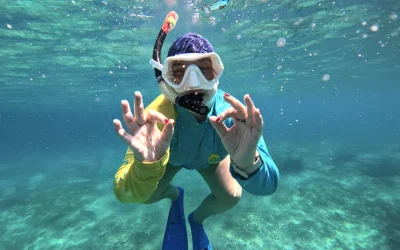
Not every visitor wants to commit to scuba gear and a training course, and the good news is that a huge amount of what makes this coastline special is visible without either. Snorkeling in Nilaveli in particular rewards even a casual, low-effort afternoon in the water. Shallow reef systems sit close enough to the surface that basic mask and snorkel gear reveals coral formations, colourful reef fish, and, with a bit of luck, sea turtles grazing unhurried along the seabed. For families, for travellers unsure whether diving is really for them, or for anyone simply wanting an easy,
low-commitment way to see what all the fuss is about, snorkeling is often the perfect entry point. It requires no certification, minimal equipment, and can genuinely be picked up within minutes by someone who has never tried it before.
What Makes Nilaveli’s Underwater World Worth the Trip
Nilaveli diving has built its reputation on exactly the qualities that make it appealing to a wide range of visitors, not just experienced divers. Warm, clear water, healthy coral structures, and a good variety of reef fish make for consistently rewarding dives, even at relatively shallow depths. The area’s calm conditions also mean visibility tends to hold up well across much of the year, which matters enormously for visitors hoping to actually see something memorable rather than peering through murky water.
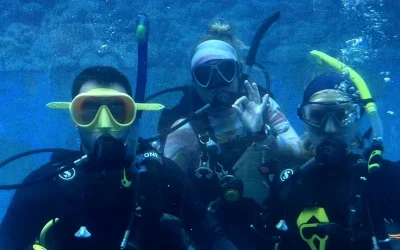
For travellers taking their first real steps into diving in Nilaveli, whether through a short introductory dive or a full certification course, the forgiving conditions mean the experience tends to feel exciting rather than intimidating, which goes a long way toward turning a one-off holiday activity into a hobby worth continuing after the trip ends.

Trincomalee: Depth, History, and a Different Kind of Reward
A short distance up the coast, the character of the water changes considerably. Diving in Trincomalee tends to appeal to visitors looking for something with more depth, literally and figuratively, than a straightforward reef dive. The harbour’s wartime history has left several wrecks resting on the seabed, now serving as accidental artificial reefs that draw larger fish and offer a genuinely different kind of dive to anything found closer to Nilaveli’s shallower waters. Trincomalee diving suits visitors who already have some comfort in the water, whether from prior diving experience or a completed certification earned nearby, and want to build on that foundation with sites that offer a bit more challenge and a distinctly different atmosphere beneath the surface.
What You Might Actually See Down There
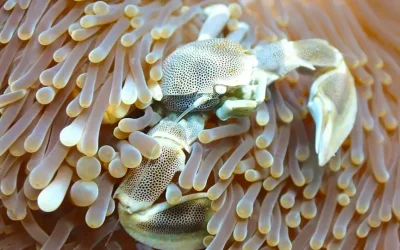
Marine life across this stretch of coastline varies with the season and the specific site, but visitors regularly report encounters with sea turtles gliding unhurried across the reef, colourful reef fish moving in loose, shifting schools, and occasionally larger pelagic species passing through deeper water further offshore. Reef structures themselves range from shallow coral gardens near Nilaveli’s coastline to more dramatic underwater terrain around Trincomalee’s deeper sites.
None of this is guaranteed on any single outing, since marine life sightings always carry an element of chance, but the consistency of reports from repeat visitors suggests this coastline offers considerably more than an occasional lucky glimpse.
Timing a Visit Around the Season
The east coast’s diving season runs roughly from April through September, a window shaped by Sri Lanka’s monsoon pattern, which favours the eastern shore during these months while the south and west coasts deal with rougher conditions. Visitors planning a trip specifically around snorkeling or diving should build their itinerary around this window rather than assuming conditions will be consistent year-round. Arriving outside this season risks disappointing visibility and choppier water that considerably reduces the appeal of getting in altogether.
Choosing Between a Guided Snorkel Trip and a Proper Dive
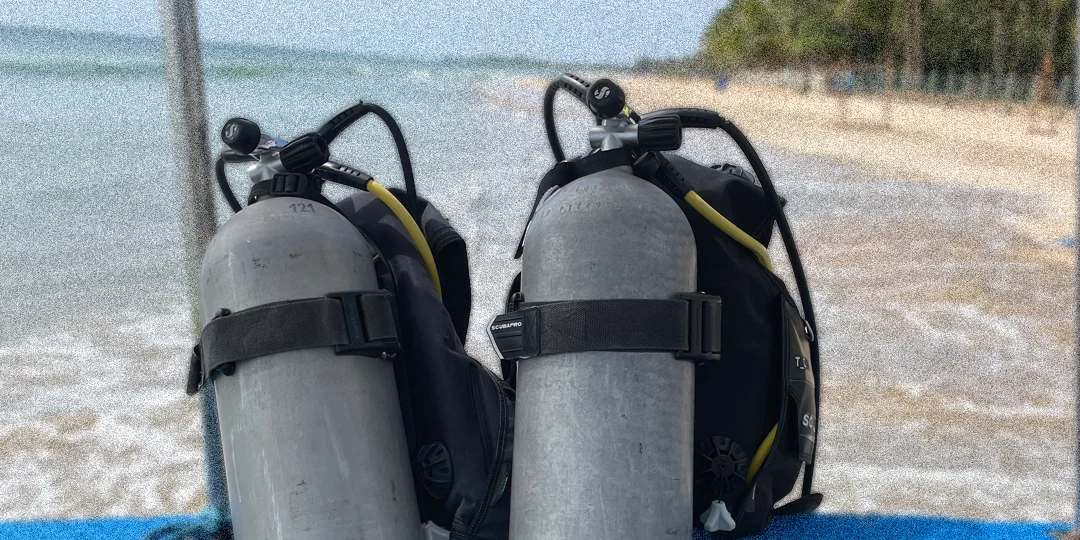
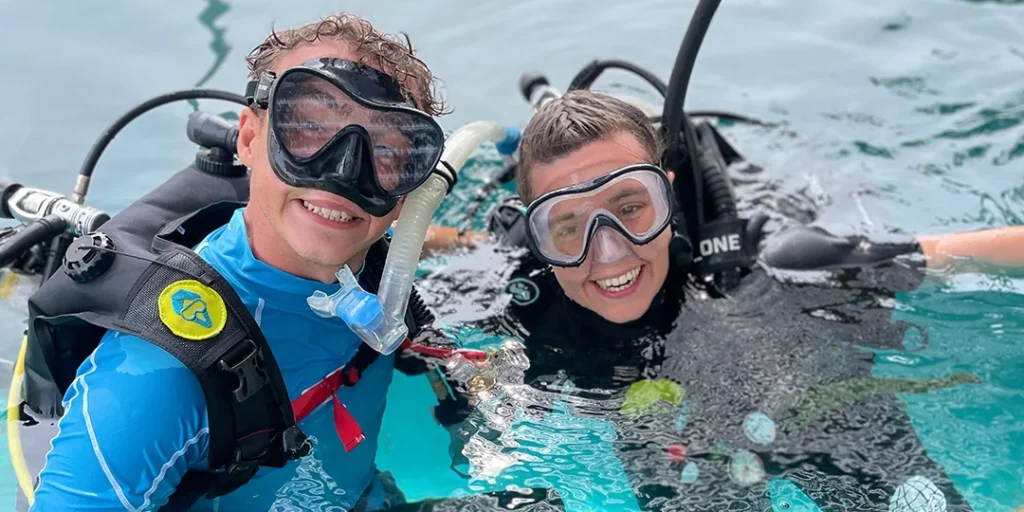
For travellers still deciding how deep to go, quite literally, into this part of their trip, it helps to think honestly about time, budget, and comfort level. A guided snorkel trip requires minimal time and equipment investment and suits travellers wanting a taste of the reef without a bigger commitment. A short introductory dive, offered by most local operators without requiring full certification, gives a slightly deeper, more immersive experience for those curious about scuba specifically. A full certification course represents the biggest investment of time but opens up considerably more of the coastline, including Trincomalee’s deeper sites, to future exploration. None of these options is inherently the “right” choice. The best fit depends entirely on how much of the trip a visitor wants to dedicate to being in the water versus everything else the east coast has to offer on land.
When the Reefs Might Not Be the Priority
Not every visitor to this coastline needs to prioritise snorkeling or diving, and that is a perfectly reasonable choice. Travellers with limited time, a preference for staying dry, or simply a trip built around other priorities like relaxation or cultural exploration further inland may find that a single short outing, rather than multiple dedicated days in the water, suits their trip better. The reefs will still be there for a future visit.
A Coastline That Rewards a Second Look
Sri Lanka’s eastern beaches are worth visiting for their own sake, but the world sitting just offshore adds a dimension that many first-time visitors never expect going in. Whether that means an easy afternoon of snorkeling, a first tentative dive, or a full certification that opens up years of future exploration, the reefs around Nilaveli and Trincomalee offer genuine reward for travellers willing to look past the sand and actually get in the water.